Created by potrace 1.16, written by Peter Selinger 2001-2019

Quantitative Microbial Risk Assessment

Risk management across the One Health continuum for public health protection

Carlos Campos is our lead expert in QMRA

Get in touch Get in touch

A framework to support Water Safety Plans

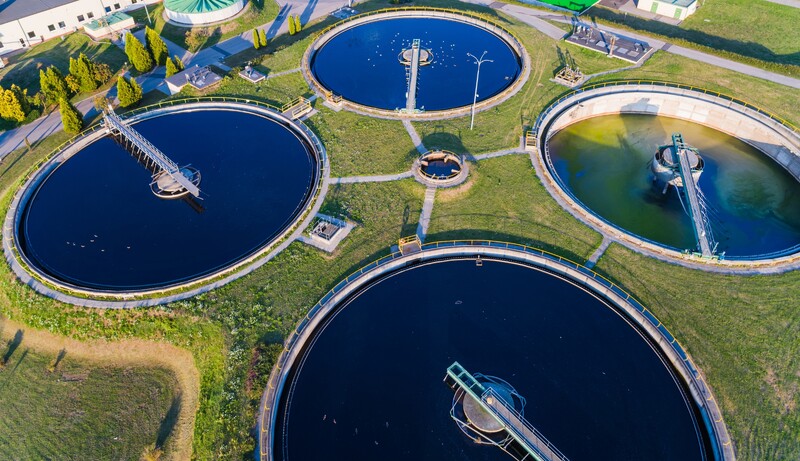
At WRc, we recognise the importance of ensuring water quality and mitigating potential health impacts from pathogens. With increasing regulatory requirements for evidence-backed approaches, our service employs the rigour of Quantitative Microbial Risk Assessment (QMRA) – a mathematical framework endorsed by the World Health Organization. We align our offerings with your specific needs, to inform decision-making and implement effective water safety plans.

This service can be tailored for source waters, recycled water, bathing water and shellfish water scenarios and cover both ingestion and inhalation pathways. WRc can also provide training on best-practice application and principles of QMRA utilising the One Health approach.
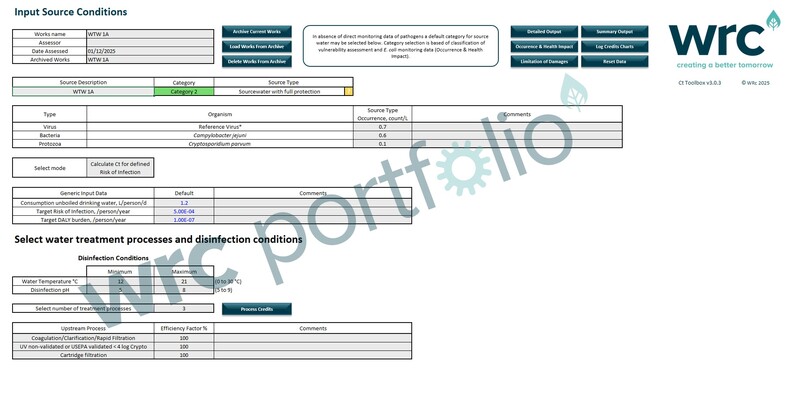

    WRc Ct Toolbox

    WRc provide the Ct Toolbox to all members of the Disinfection Forum - a consortium of UK water companies that work together to continuously improve drinking water treatment. The Ct Toolbox is a QMRA framework that enables water companies to optimise chlorination performance by predicting how treatment changes will impact disinfection outcomes. Informed by authoritative guidance and robust science, Ct Toolbox equips water companies with the means for effective disinfection decisions and achieving regulatory compliance. For more information on WRc Disinfection Forum please contact our team.

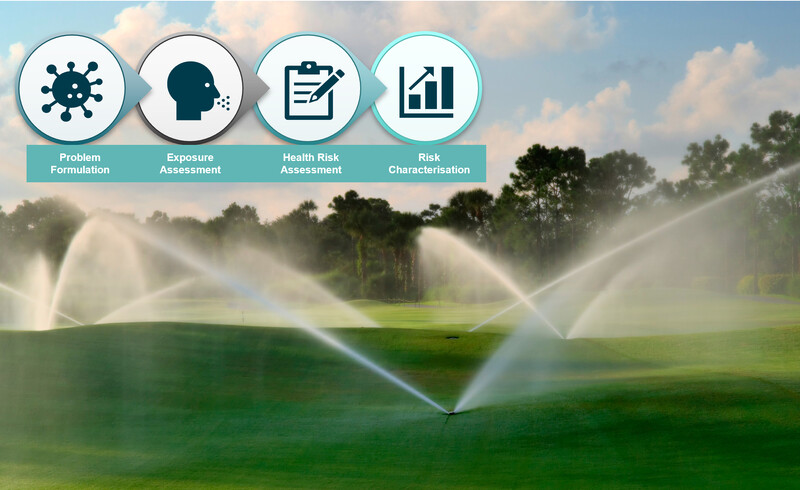
    Problem Formulation

    Select reference pathogens based on local conditions, route of exposure, source water characteristics and severity of waterborne disease.

    Exposure Assessment

    Simulate and/or estimate quantification of pathogen sources across natural, engineered and regulatory control barriers.

    Health Effects Assessment

    Apply an appropriate dose-response model and quantify health outcomes including probability of infection and illness.

    Risk Characterisation

    Perform quantification of risk which is appropriate to the complexity of model used while defining areas of variability and uncertainty.

    Applications for QMRA

    These application areas for Quantitative Microbial Risk Assessment provide opportunities and benefits to your organisation.

    • Source Waters
    • Recycled Waters
    • Bathing Waters
    • Shellfish Waters

    QMRA strengthens Water Safety Plans and is endorsed by the World Health Organization. It is widely used by water companies to determine appropriate disinfection requirements and evaluate pathogen removal.

    Our service enables organisations to optimise treatment performance, assess the impact of operational changes, and review the health-based metrics of water supply.

    Benefits:

    •Prioritising capital and operational investment based on quantified public health risk

    •Demonstrating measurable risk reduction linked directly to treatment performance

    •Strengthening regulatory confidence through transparent, science-based decision-making

    •Supporting compliance discussions with regulators

    •Enhancing resilience by identifying hidden vulnerabilities in microbial barriers

    QMRA is used to define acceptable risk levels for recycled water in direct and indirect potable reuse, as well as non-potable applications. This includes robust assessment of pathogen risks in spray irrigation and other aerosol-generating reuse scenarios.

    Our service enables organisations to determine the appropriate level of treatment and multiple barrier performance required to meet health-based targets. It also provides evidence-based assurance that recycled water is fit for its intended purpose.

    Benefits:

    •Defining treatment requirements based on quantified public health risk

    •Optimising capital and operational investment in reuse schemes

    •Demonstrating compliance with health-based targets and regulatory expectations

    •Strengthening consumer and stakeholder confidence through transparent risk evaluation

    •Supporting safe expansion of water reuse portfolios

    •Improving long-term water resource resilience and climate adaptation capability

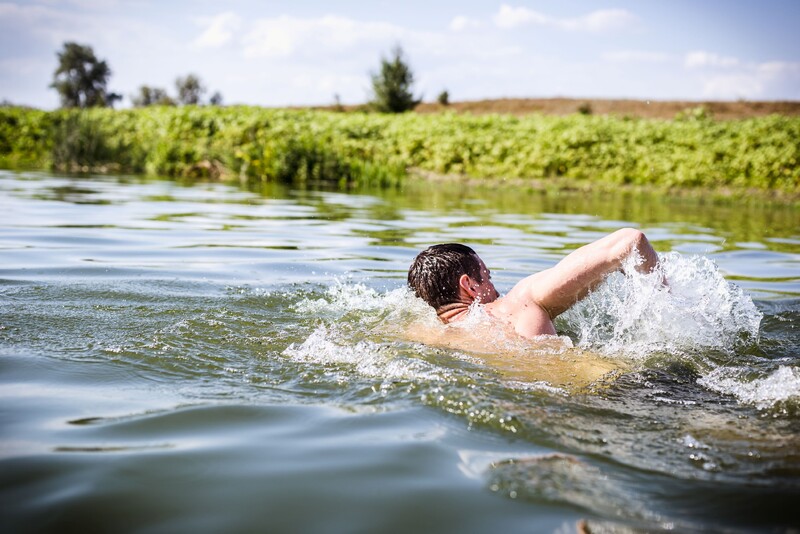
    QMRA strengthens compliance under applicable bathing water regulations by moving beyond reliance on indicator bacteria to quantify actual infection risks to recreational water users.

    Our service enables organisations to assess pollution sources and events including storm overflows and agricultural run-off using health-based metrics.

    Benefits:

    •Targeting investment where it delivers the greatest measurable public-health benefit

    •Supporting evidence-based bathing water designation decisions

    •Providing independent analysis for regulatory engagement and scrutiny

    •Improving prioritisation of catchment and infrastructure interventions

    •Communicating health risks clearly and transparently to regulators, stakeholders, and local communities

    •Strengthening long-term resilience planning under increasing climate and rainfall pressures

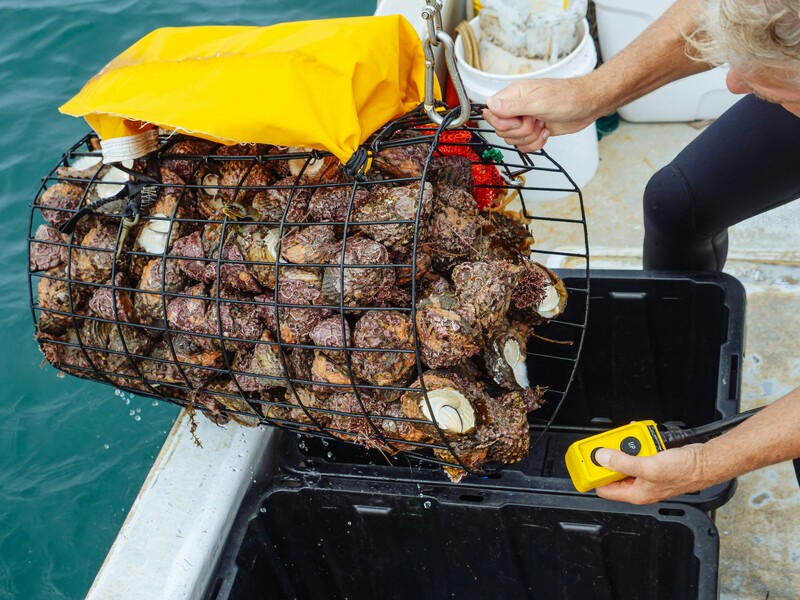
    QMRA strengthens management of shellfish waters to meet food safety regulations by moving beyond reliance on indicator organisms to quantify the actual infection risks to shellfish consumers from pathogens such as norovirus and other enteric viruses.

    Our service enables organisations to assess pollution sources and events using health-based risk metrics linked directly to human exposure through shellfish consumption.

    Benefits:

    •Targeting investment where it delivers the greatest measurable reduction in consumer health risk

    •Supporting evidence-based shellfish water classification

    •Providing independent analysis for regulatory engagement and export assurance

    •Improving prioritisation of infrastructure upgrades

    •Strengthening confidence across regulators, producers, and supply chains

    •Supporting long-term resilience of shellfish harvesting areas under increasing climate and rainfall pressures

    Related services


    Created by potrace 1.16, written by Peter Selinger 2001-2019

    Start a conversation

    Full name
    Email address
    Company name
    How can we help?

    Can we stay in touch?

    Your details will be stored within our CRM to allow us to handle your enquiry. We'd love to keep in touch and send you our newsletters and other notifications we think may be of interest to you. Please let us know if we have your permission for this.

    --- No text here

    Fill in the relevant text in the <> brackets in the Lead Magnet 'Name', 'Email Subject' and 'Content'. In 'Content', upload the file after the colon by clicking the 'File' icon > 'Browse Files' > select folder 'user-downloads' and click the 'Upload Files' icon. For help. see our Website Manual section on uploading files.

    No text under 'GDPR Opt in' below. Do not change the 'Success Message'.

    Remove this text ---

    Full name
    Company name
    Email address
    Phone number

    Can we stay in touch?

    Your details will be stored within our CRM to allow us to handle your enquiry. We'd love to keep in touch and send you our newsletters and other notifications we think may be of interest to you. Please let us know if we have your permission for this.

    Carlos Campos

    Technical Director of Water Quality